Wingsuit Flying: The Ultimate Challenge
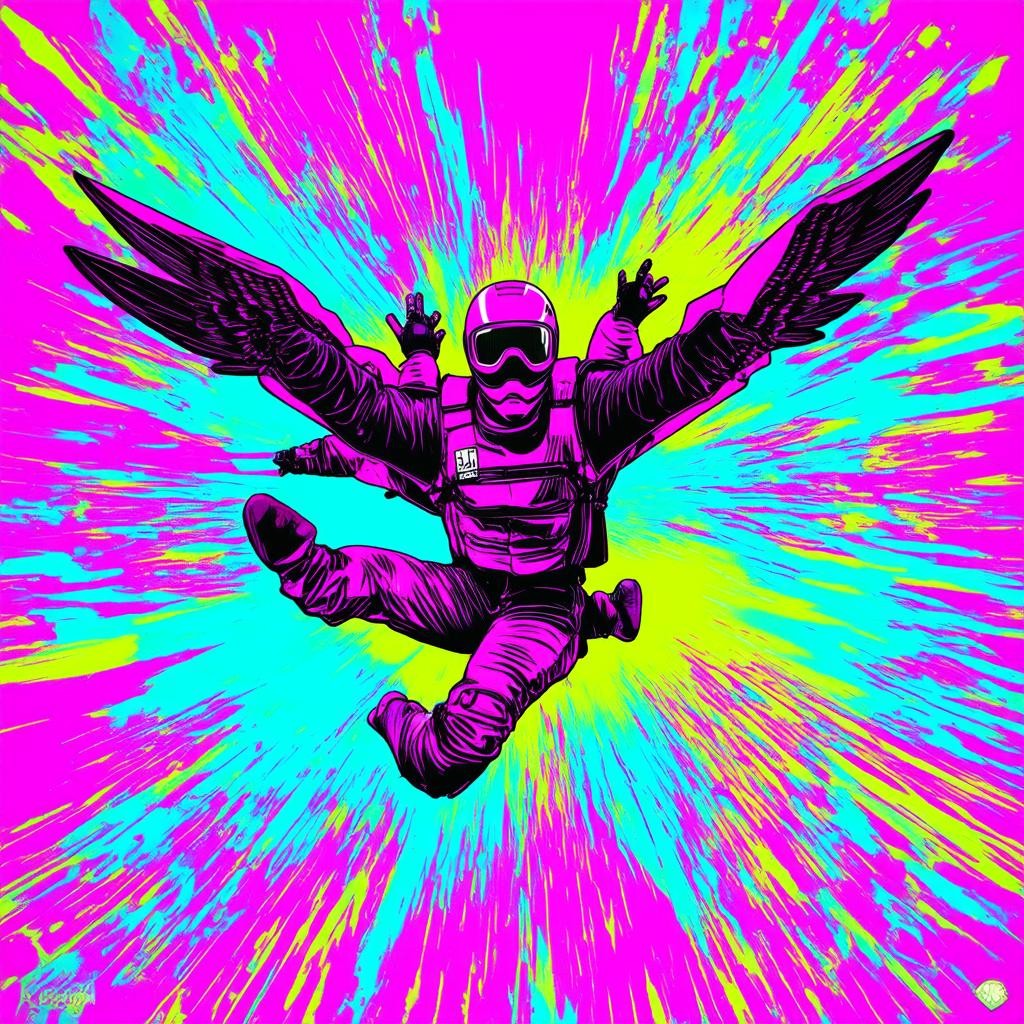
Первый шаг: от желания до оформления заказа
Вы уже представили, как ветер наполняет ткань, а тело превращается в живое крыло. Осталось одно — сделать заказ. На платформе всё устроено так, чтобы переход от мечты к действию занял не больше десяти минут. Вы просто выбираете комплектацию, указываете свои параметры и нажимаете кнопку подтверждения. Система тут же фиксирует заявку, а на почту приходит письмо с деталями.
После оплаты вы получаете личный кабинет, где виден каждый этап: от начала производства до момента передачи в службу доставки. Никаких тайн — вы точно знаете, на каком этапе находится ваш костюм. Прозрачность процесса добавляет уверенности, ведь в таком деле важна каждая деталь.
Если возникают сомнения по выбору размера или модификации, на связи круглосуточная служба поддержки. Операторы объяснят разницу между моделями, помогут с замерами и подскажут, какой вариант раскроет ваш потенциал максимально. Вам даже не придётся ждать утра — помощь доступна в любой час.
Что происходит после оплаты: от производства до тестового прогона
Как только платеж подтверждён, запускается индивидуальный цикл сборки. Каждый вингсьют шьётся под конкретного человека, поэтому сроки зависят от сложности и загруженности мастеров. В среднем процесс занимает от четырнадцати до двадцати восьми рабочих дней. Вы получаете уведомление на каждом этапе: "Ткань раскроена", "Швы усилены", "Готово к контрольной проверке".
Особое внимание уделяется тестированию на стенде. Перед тем как отправить экипировку, специалисты проводят серию замеров на герметичность, прочность креплений и аэродинамические характеристики. Этот этап гарантирует, что в небе вы будете чувствовать себя абсолютно безопасно.
- День 1–3: согласование чертежей и подбор материалов под ваш вес и рост.
- День 4–12: раскрой, пошив и усиление швов профессиональными мастерами с десятилетним стажем.
- День 13–18: установка системы вентиляции и регулировка лямок для идеальной посадки.
- День 19–22: стендовые испытания и проверка каждого сантиметра ткани.
- День 23–26: финальная упаковка в защитный кейс и подготовка к транспортировке.
Доставка: когда ждать и как подготовиться к получению
Готовый комплект отправляется в течение суток после финальной проверки. Вы выбираете удобный способ: курьерская служба, пункт выдачи или адресная доставка с примеркой на месте. Время в пути зависит от вашего региона, но обычно не превышает пяти-семи дней. На карте личного кабинета отображается трекинг — вы видите, на каком складе сейчас находится ваш заказ.
Курьер привозит не просто костюм, а целый набор: само изделие, запасные ремни, инструкцию по уходу и сертификат соответствия. Вам остаётся только вскрыть упаковку, осмотреть каждый шов и примерить экипировку. Если что-то кажется неудобным, поддержка поможет с настройкой прямо по видеозвонку.
- Проверьте целостность кейса: на коробке не должно быть повреждений.
- Распакуйте костюм на ровной поверхности — убедитесь, что все молнии и застёжки работают плавно.
- Примерьте комбинезон: обратите внимание на зону подмышек и груди, там не должно быть излишнего давления.
- Проверьте систему быстрого сброса: рычажок должен двигаться без заеданий.
- Сделайте фото или видео первой примерки — при необходимости инженеры скорректируют посадку.
Установка и адаптация: как превратить костюм в продолжение себя
После получения начинается самый волнующий этап — подгонка под вашу анатомию. Ни один костюм, даже сшитый по меркам, не сядет идеально без настройки. Система шнуровки и фиксаторов позволяет регулировать натяжение ткани на плечах, бёдрах и спине. Инструкция на русском языке проведёт вас через десять шагов настройки, а видеоурок в личном кабинете покажет каждое движение.
Для первой установки лучше выделить час свободного времени. Вы постепенно затягиваете лямки, проверяете свободу движений и запоминаете точки опоры. Когда вы встанете перед зеркалом в полностью зафиксированном костюме, ощущение будет таким, будто ваше тело обрело новые грани.
После подгонки обязательна наземная проверка: пять минут лёгкой разминки, наклоны, повороты корпуса. Никаких натираний, зажимов или дискомфорта — только чувство лёгкости и готовности расправить перепонки. Если всё сделано правильно, вы почувствуете, как даже небольшое изменение положения рук меняет нагрузку на ткань.
Полная поддержка: от первого взлёта до профессиональных заездов
Вам не нужно разбираться во всех тонкостях самостоятельно. После активации костюма открывается доступ к закрытому сообществу и еженедельным онлайн-консультациям с инструкторами. Эксперты отвечают на вопросы по технике пилотирования, помогают с освоением траекторий и разбирают ваши полётные дневники.
- Личный менеджер отвечает на сообщения в течение двух часов в будние дни.
- При возникновении технических неисправностей вы получаете инструкцию по ремонту или замену запчасти бесплатно в течение гарантийного срока.
- Раз в квартал проводятся закрытые встречи, где обладатели костюмов делятся своим опытом и дают советы новичкам.
- Для тех, кто хочет участвовать в заездах, организуют групповые вылеты с профессиональным страхованием.
- Вы можете в любой момент заказать дополнительную настройку: изменить жёсткость крыла, добавить вентиляционные клапаны или обновить дизайн.
Главное, что вы получаете — это не просто предмет экипировки. Это система, которая ведёт вас от первого заказа до момента, когда вы уверенно стоите на краю, чувствуя, как ветер зовёт вперёд. И в этом пути вы никогда не остаётесь один.
Перспективы: что будет после того, как костюм станет вашим
С каждым месяцем мастерство растёт, а ощущения становятся острее. Вы начинаете чувствовать восходящие потоки, понимать, как угол атаки меняет скорость, и ловить те мгновения, когда пространство вокруг сжимается до одной точки. Это не хобби — это новый способ видеть мир.
Платформа постоянно обновляет техническую базу: добавляет новые материалы, системы стабилизации и лёгкие карбоновые вставки. В 2026 году доступна линейка костюмов с автоматической регулировкой площади крыла — они подстраиваются под ваш стиль полёта буквально в воздухе. Вы можете обновить свой комплект без потери в цене, сдав старый в трейд-ин.
Ваш путь не заканчивается покупкой — он только начинается. И всё, что потребуется от вас, — это шагнуть в небо. Остальное уже готово ждать именно вас.
Добавлено: 08.05.2026